%20(2).jpg.transform/rp-rendition-md/image.jpg)
Authored by:
Cátedra de Transición Energética en la Universidad del País Vasco

Autor
María Rebollo
Student of the Classroom of the University of the Basque Country

Autor
Ion Agirre
Professor in the Department of Chemical and Environmental Engineering at the Bilbao School of Engineering and Director of the Repsol Foundation Energy Transition Classroom for "Circular Economy" at the UPV/EHU

♻️💡 Recovery of agro-industrial waste: whey and slurry
The transition to a cleaner and more circular energy model requires new ways of managing organic waste. In this context, whey – a by-product of the cheese industry – and cattle slurry – from livestock farms – represent a double environmental challenge and a great opportunity.
🌱 Why it matters
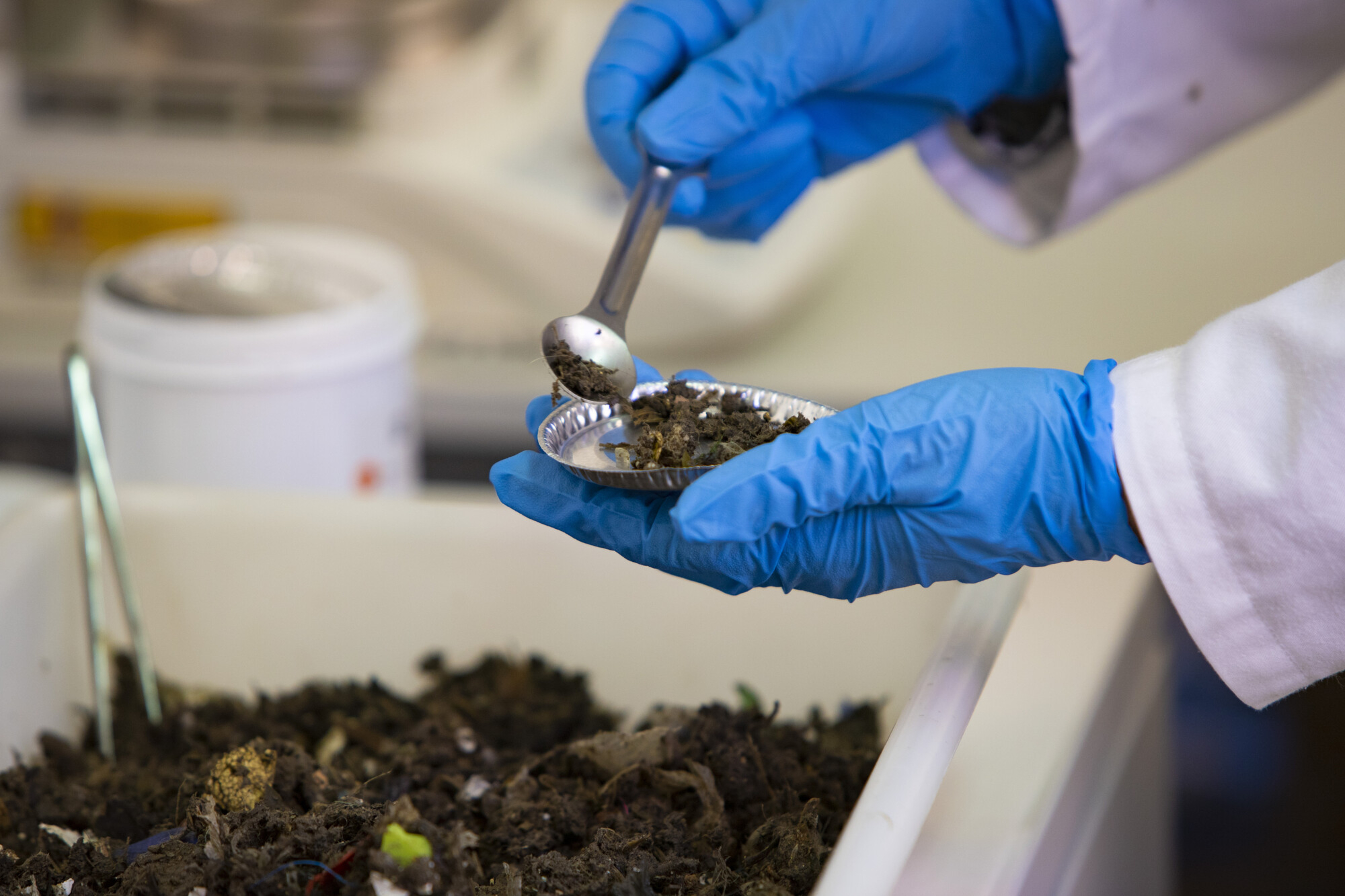
Both wastes are generated in large quantities and have a high organic load, making them ideal candidates for recovery through anaerobic digestion.
🔬 How Anaerobic Digestion Works
Biological process that, without oxygen, transforms organic matter into:
- Biogas, a renewable energy source rich in methane.
- Digestate, a by-product useful as an organic fertilizer.
✅ Conclusion
Co-digestion not only mitigates the environmental impact of these complex wastes, but converts them into valuable resources: clean energy and nutrients for the soil.
🌍 This project, framed in the Repsol Foundation Energy Transition Classroom, reaffirms the importance of innovation in the use of agro-industrial by-products, aligning itself with the European objectives of climate neutrality and circular economy.
📥 Do you want to know all the details and see the graphs of the study?
You can download the full publication at the attached link.